There are moments when compressed audio just doesn’t cut it. Maybe you’re editing a podcast on your phone, or trying to import a track into software that refuses MP3 files. That’s when a reliable MP3 to WAV converter becomes less of a convenience and more of a necessity.
The catch? Speed often matters just as much as quality—especially if you’re juggling multiple files or working on a deadline.
What Matters First
If you’re converting audio on the go, two things define the experience: how fast the conversion finishes and whether the output preserves clarity. The right tool balances both without forcing you into complicated workflows or installs.
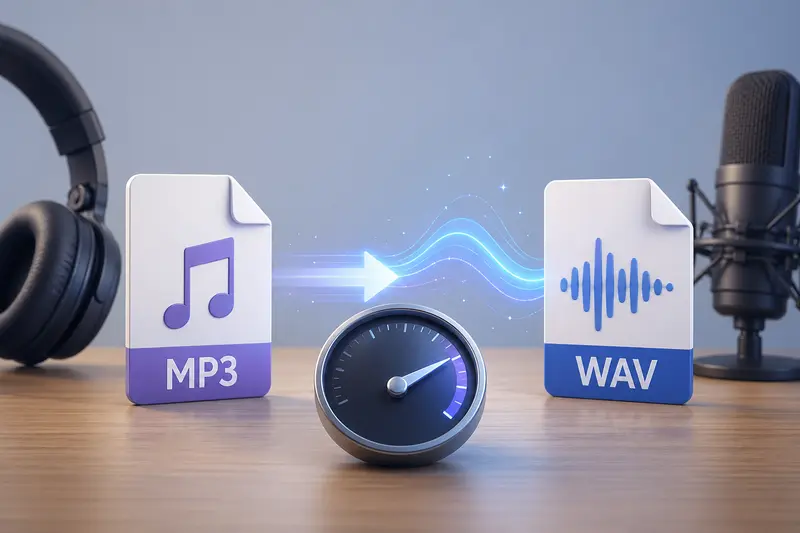
How the Conversion Process Flows
Instead of overcomplicating things, here’s how a typical conversion plays out when done right:
- Upload your MP3 file (or several at once)
- Select WAV as the output format
- Let the system process audio decoding and re-encoding
- Download the uncompressed WAV file
Behind the scenes, the tool is decompressing MP3 data and rebuilding it into a lossless format. That’s why processing efficiency matters—especially for longer recordings.
A Practical Tool Worth Knowing
One solution that leans heavily into performance is Filemazing’s audio converter.
It runs entirely in your browser, which means no installation delays or compatibility issues. But what really stands out is how it handles speed without sacrificing reliability.
- Files are processed in a queued system, so your device isn’t bogged down
- You can start conversions instantly—even without creating an account
- Token-based pricing gives you predictable usage instead of hidden limits
If you’ve ever needed to extract audio files from compressed folders before converting, pairing it with an archive extraction tool for ZIP or RAR files keeps everything in one workflow.
Real Test: Converting a Batch on Mobile
To see how it performs in a realistic situation, I tested it with a small batch:
- 12 MP3 files
- Average length: ~4 minutes each
- Total size: ~85 MB
- Device: mid-range Android phone
What happened:
- Upload was smooth even over mobile data
- Processing started immediately after queueing
- All files converted in under 2 minutes total
- Output WAV files retained clean, full-range audio
Takeaway
Speed didn’t come at the expense of quality. The system handled multiple files efficiently without freezing the browser—a common issue with heavier desktop tools.
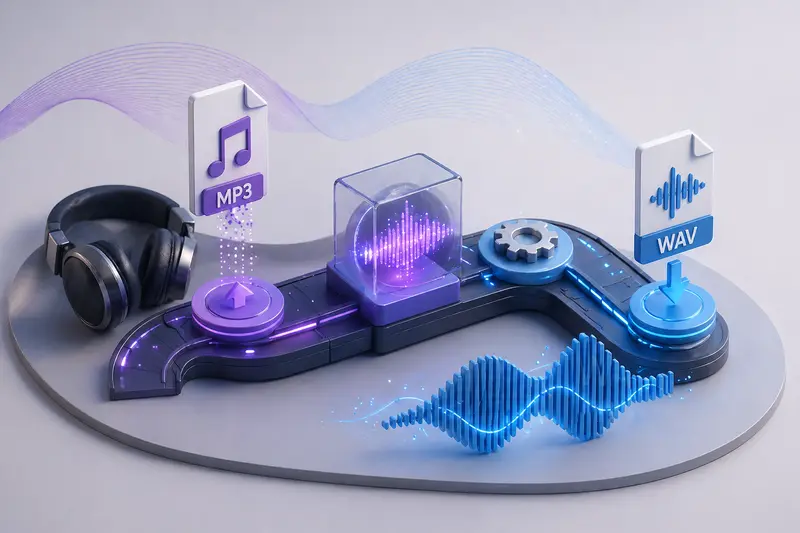
Tradeoffs: Speed vs File Size
There’s one reality worth understanding—WAV files are significantly larger than MP3.
- MP3 compresses audio by removing less noticeable data
- WAV keeps everything, resulting in bigger file sizes
So while conversion is fast, your storage usage increases. If you’re planning to share or upload these files, consider compressing afterward—or even protecting them using a tool to encrypt audio files before sharing.
Tip: If you only need WAV for editing, keep the original MP3 archived and delete WAV files after use to save space.
Who Benefits Most from This
For everyday users, this kind of tool solves real, practical problems:
- Converting voice recordings for editing apps that require WAV
- Preparing audio for mobile video editing tools
- Cleaning up music files for better playback compatibility
- Handling lecture recordings or personal notes
- Converting downloaded content into editable formats
- Managing audio files across devices without software installs
What You Gain from Using It
There’s a noticeable difference when the process just works:
- No waiting around for heavy software to load
- No worrying about compatibility across devices
- Fast turnaround even with multiple files
- Clear cost expectations thanks to transparent token usage
- Peace of mind knowing files are processed temporarily—not stored long-term
That last point matters. Files are treated as short-lived processing data and removed after completion, which reduces privacy concerns significantly.
FAQ
Does converting MP3 to WAV improve audio quality?
Not exactly. It preserves the current quality without further loss, but it won’t restore data already removed during MP3 compression.
Can I convert multiple files at once?
Yes, batch processing is supported, which is especially useful for larger audio collections.
Is it safe to upload personal recordings?
Yes. Files are processed temporarily and automatically cleaned up, rather than stored indefinitely.
Will WAV files work better on mobile apps?
Many editing and production apps prefer WAV because it’s uncompressed and easier to manipulate.
Are there limits on file size or duration?
Limits depend on token usage and workload, but the system is designed to handle both small and larger tasks efficiently.
Can I remove metadata before publishing audio?
Yes, if privacy matters, you can use a metadata removal tool for audio files to strip embedded information before sharing.
Final Thoughts
When speed is part of the equation, not all converters are equal. A browser-based MP3 to WAV converter that handles processing efficiently—without clutter or installs—makes a noticeable difference.
If you’re dealing with audio regularly, especially across devices, it’s worth trying a solution that prioritizes performance without complicating the experience.