Large image files have a habit of appearing at inconvenient moments. Maybe youre trying to upload photos to a website, send images by email, share screenshots with friends, or store thousands of pictures on a Linux laptop with limited space.
If your goal is to reduce image file size without making images look noticeably worse, modern browser-based compression tools can help you shrink files while keeping them practical for everyday use. For Linux users, this is especially convenient because there is no need to install additional desktop software.

What You Need to Know First
The easiest way to reduce image file size is to compress images before uploading, storing, or sharing them.
A good image compression tool can significantly reduce file size while preserving visual quality. For most everyday photos, screenshots, and web graphics, the difference is often difficult to notice during normal viewing.
Why File Size Matters More Than You Think
Reducing image size isnt only about saving storage space.
Smaller images can:
- Upload faster on slower connections
- Reduce website loading times
- Improve email deliverability
- Make cloud storage more efficient
- Simplify sharing through messaging apps
- Reduce bandwidth usage
For people using Linux on older laptops or limited SSD storage, these benefits can add up quickly.
A Practical Way to Compress Images on Linux
One useful option is Filemazings image compression tool:
https://filemazing.com/compress-image
The service is designed around ease of use, making it accessible to everyday users who simply want smaller files without learning advanced image optimization techniques.
Because it runs entirely in the browser, there is no software installation required. Linux users can upload files directly from their system, process them online, and download optimized versions when finished.
Another helpful aspect is the platforms transparent token-based pricing model, allowing users to estimate processing costs instead of dealing with unpredictable usage charges.
Follow This Approach
1. Gather the Images
Select the photos, screenshots, or graphics you want to optimize.
If youre working with multiple files, organizing them into a single folder beforehand can make processing easier.
2. Upload the Files
Open the compression tool and upload your images from local storage, a URL source, or supported cloud providers.
3. Apply Compression
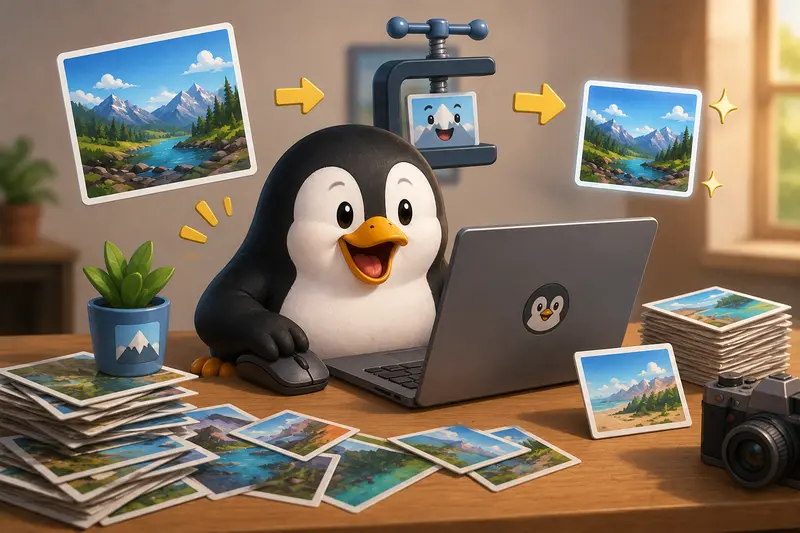
The system analyzes each image and reduces unnecessary file weight while preserving visual quality whenever possible.
4. Review the Results
Compare original and compressed versions to ensure the quality remains appropriate for your needs.
5. Download and Share
Once processing finishes, download the optimized files and use them wherever needed.
Tested Results: Real-World Findings
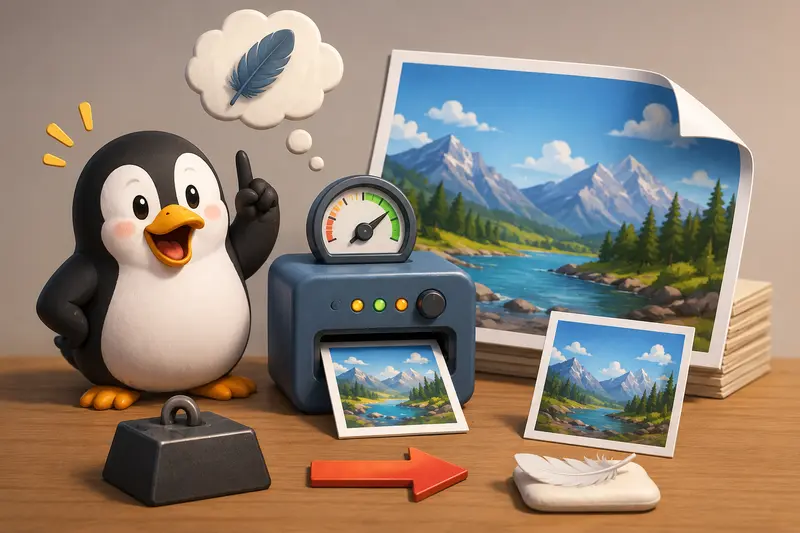
To evaluate practical performance, we tested a collection of everyday image assets commonly found on Linux systems.
Test Scenario
- 75 image files
- Mixed JPG and PNG formats
- Product photos, screenshots, and scanned pages
- Total size: approximately 620 MB
Observations
The compression process reduced overall storage requirements substantially while maintaining acceptable visual quality for normal viewing and online sharing.
Photos generally achieved better compression ratios than screenshots containing large areas of text. PNG files with transparency benefited differently depending on image complexity.
Key Takeaway
The biggest gains usually come from large photos that have never been optimized. Many users discover that a significant portion of their image storage consists of unnecessary file overhead rather than visible image detail.
Quality vs File Size: Finding the Right Balance
A common misconception is that maximum compression is always the best choice.
In reality, every compression workflow involves a tradeoff.
Higher Compression
Pros:
- Smaller downloads
- Faster uploads
- Less storage consumption
Cons:
- Potential loss of fine detail
- More visible artifacts in some images
Lower Compression
Pros:
- Better visual fidelity
- Improved readability for detailed graphics
Cons:
- Larger files
- Higher storage requirements
For everyday users, moderate compression often delivers the best balance between appearance and efficiency.
This is particularly important when performing image compression without losing quality, where the objective is to preserve the viewing experience rather than chase the smallest possible file size.
Helpful Tips That Many Users Miss
One useful recommendation is to compress images after final editing rather than before.
If you repeatedly edit and save compressed files, quality can gradually degrade over time.
Another overlooked practice is removing hidden metadata before sharing images publicly. Camera information, location details, and other embedded data may increase file size and reveal information you did not intend to share.
You can use Filemazings metadata removal tool to clean image metadata before distributing files.
Format Choices Can Affect Results
Different image formats behave very differently during compression.
| Format | Best For | Compression Characteristics |
|---|---|---|
| JPG | Photos | Excellent size reduction for photographic content |
| PNG | Graphics and transparency | Larger files but lossless quality |
| WEBP | Modern web usage | Often achieves strong compression with good quality |
| AVIF | Advanced image delivery | Very efficient compression in many cases |
| HEIC | Mobile photography | Good quality-to-size ratio |
If you need to switch between formats, Filemazing also provides a multi-format image converter that supports JPG, PNG, WEBP, HEIC, and AVIF conversions.
Where This Helps Most
Everyday Linux users commonly benefit from image compression in situations such as:
- Sending family photo collections through email
- Uploading assignment images for school projects
- Sharing screenshots in forums and communities
- Backing up large personal photo libraries
- Posting images to websites and blogs
- Preparing product photos for online marketplaces
A surprisingly common scenario involves cleaning up years of accumulated screenshots that consume far more storage than expected.
Practical Benefits
Using a dedicated best image compressor solution offers several advantages:
- Reduced storage consumption
- Faster uploads and downloads
- Easier file sharing
- Improved website performance
- Support for multiple image formats
- Batch processing capabilities
- Browser-based accessibility on Linux
- No need for heavy desktop applications
Filemazing also supports larger workflows through queued processing, allowing substantial workloads to complete without blocking the interface.
Privacy and File Handling
Privacy is often a concern when uploading files online.
Filemazing positions uploaded files as temporary processing artifacts rather than long-term storage. Files are processed, delivered, and cleaned according to short retention schedules.
For sensitive content, you can further protect downloaded files using Filemazings file encryption tool before sharing them externally.

Frequently Asked Questions
Can I reduce image file size without noticeable quality loss?
In many cases, yes. Moderate compression can significantly reduce file size while maintaining visual quality that looks virtually unchanged during normal viewing.
What is the best image compressor for Linux users?
The best choice depends on your needs. Browser-based tools are often attractive because they work across Linux distributions without requiring installation or package management.
Does image compression work better for JPG or PNG files?
JPG images typically achieve larger reductions for photographs. PNG files can still benefit, but results depend on transparency and image complexity.
Can I compress multiple images at once?
Yes. A good batch image optimizer allows multiple files to be processed together, which is particularly useful for large photo collections and project folders.
Is online image compression safe?
Safety depends on the provider. Look for services that clearly explain file handling practices, temporary processing, and cleanup procedures.
Should I convert formats before compressing?
Sometimes. Converting a PNG photo to JPG, WEBP, or AVIF can provide additional size reductions. The format conversion tool can help when format changes make sense for your workflow.
Final Thoughts
For Linux users who want to reduce image file size, browser-based compression offers a practical alternative to installing and maintaining dedicated desktop utilities.
Filemazing combines image compression, batch processing, format conversion, privacy-conscious handling, and transparent token-based pricing into a single workflow. Whether youre organizing personal photos, preparing website assets, or managing large image collections, it provides a straightforward way to make files smaller while keeping them useful.