Here is the article:
:::writing{variant=document id=58142}
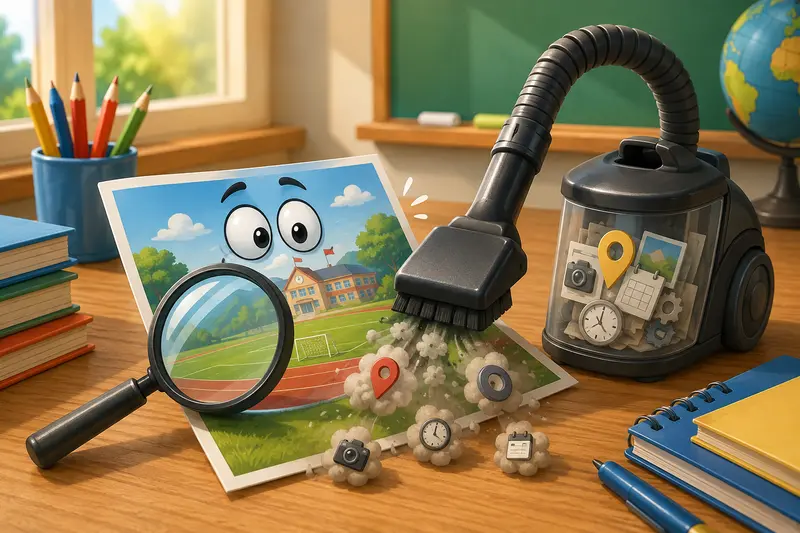
Windows guide: Remove Metadata From ImagesTeachers often share classroom photos, worksheets, project images, and event pictures with students, parents, or colleagues. What many people do not realize is that images can contain hidden information such as device details, timestamps, GPS coordinates, editing history, and other embedded metadata.
If you want to remove metadata from images before sharing them, taking a few extra moments can help protect privacy and reduce unnecessary information exposure.
Whether youre publishing classroom materials online or emailing photos to parents, cleaning image metadata is a useful habit that helps keep file sharing more secure.
What You Need to Know First
Metadata is information stored inside an image file. Depending on how a photo was created, metadata may include:
- Camera or phone model
- Date and time information
- GPS location data
- Software used for editing
- Author information
- Device settings
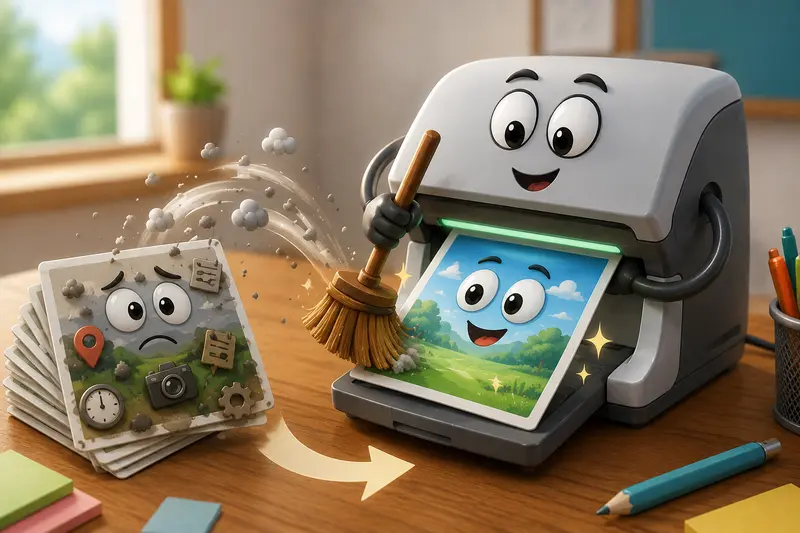
When you delete hidden photo data, the image itself remains visible, but the embedded details are removed.
For educators who regularly share photos from school activities, removing metadata can help prevent accidental disclosure of location or device information.
Follow This Process
If youre using Windows, the process is straightforward.
1. Gather the Images
Place the photos you plan to share into a single folder. This makes it easier to process multiple files together.
2. Review Whether Metadata Is Necessary
In most educational sharing scenarios, metadata provides little value to the recipient.
If the image is intended for newsletters, presentations, learning platforms, or email attachments, metadata can usually be removed safely.
3. Clean the Metadata
Use a dedicated photo privacy metadata remover to strip hidden information while preserving the image content.
A browser-based option such as Filemazings metadata scrubber can process files without requiring software installation.
4. Verify the Result
Check the cleaned files and confirm that metadata fields have been removed.
5. Share the Sanitized Images
Once cleaned, the images can be distributed with greater confidence.
If you later need a different file type, you can use a format conversion tool to convert cleaned images into another format before distribution.

Why Filemazing Fits This Task
A practical option for teachers is the Filemazing Metadata Scrubber:
https://filemazing.com/metadata-scrubber
The strongest advantage is its focus on privacy and security while maintaining an easy browser-based workflow.
Useful characteristics include:
- Works directly in a web browser
- Supports batch processing scenarios
- No desktop installation required
- Predictable token-based pricing
- Suitable for occasional and frequent use
- Temporary processing rather than long-term file storage
For schools and educators who handle many files during the semester, having a browser-based workflow means the same process can be used across different Windows devices without additional setup.
Practical Findings From a Real Test
To evaluate the workflow, a mixed batch of classroom-related images was processed:
- 18 JPG photos from a school event
- 7 PNG images used in lesson materials
- Total size: approximately 85 MB
The goal was to remove location data and embedded device information before sharing images with parents and staff.
Observed Outcome
After processing:
- GPS information was removed
- Device details were stripped
- File appearance remained unchanged
- Images opened normally in Windows Photos and PowerPoint
Key Takeaway
A common misconception is that image privacy only relates to visible content. In reality, hidden metadata can reveal more than many users expect. Cleaning files before distribution provides an additional layer of protection.
Common Mistakes Users Make
When people try to remove metadata before sharing images, a few recurring issues appear.
Assuming Screenshots Have No Metadata
Some screenshots still contain useful metadata fields depending on how they were created and exported.
Cleaning Only One File
Teachers frequently send multiple photos at once. Processing a single image while forgetting the rest defeats the purpose.
Ignoring Converted Files
When images are converted between formats, metadata may sometimes be retained or regenerated. Always verify the final files.
Forgetting PDFs
Many classroom handouts are distributed as PDFs containing embedded images. If necessary, you can first export PDF pages as images and then clean metadata from the resulting image files.
Where This Helps Teachers Most
Removing metadata can be useful in many educational situations:
- Sharing classroom activity photos with parents
- Publishing school newsletter images
- Uploading images to learning management systems
- Sending lesson resources to other teachers
- Creating conference presentations
- Posting educational content on public websites
These situations often involve files that travel beyond the original device and audience.
What You Gain
The value of metadata removal goes beyond privacy.
Benefits include:
- Reduced exposure of location information
- Cleaner files for public distribution
- Better control over shared content
- Consistent handling of image assets
- Greater confidence when distributing educational materials
There is one tradeoff worth noting: removing metadata eliminates useful organizational information such as capture dates or camera details. If those records are important internally, keep an original copy before cleaning files for external sharing.
A useful tip that many guides overlook is to maintain two folders: one archive containing original files and another containing cleaned versions intended for distribution. This preserves internal records while protecting shared copies.
Frequently Asked Questions
Does removing metadata reduce image quality?
No. Metadata removal affects embedded information rather than the visible image content.
Can multiple images be cleaned at the same time?
Yes. Batch processing is often the most efficient approach when dealing with classroom photo collections.
Is metadata removal useful for PNG files?
Absolutely. PNG files can also contain metadata depending on how they were created or edited.
What if I need smaller files after cleaning?
You can use an image compression tool after metadata removal to reduce file size for email attachments or online uploads.
Are uploaded files stored permanently?
Filemazing treats uploaded files as temporary processing artifacts and uses short retention practices rather than long-term storage, helping support privacy-focused workflows.
Can cleaned images still be converted to other formats?
Yes. After metadata has been removed, the files can be converted into different formats when needed using compatible conversion tools.
Final Recommendation
For teachers who regularly share classroom photos, event images, and educational resources, taking time to remove metadata from images is a practical privacy safeguard.
A browser-based solution such as Filemazing makes it easier to delete hidden photo data, process multiple files when needed, and prepare images for safe distribution without installing additional Windows software.
When combined with thoughtful file management practices, metadata cleaning helps ensure that the information you share is only the information you intend others to see.:::