Marketing files rarely stay small for long. A campaign deck turns into a 60-page PDF, product mockups get embedded at full resolution, and suddenly someone needs the visuals pulled out fast usually while traveling or working from a phone.
Thats where mobile-friendly PDF image extraction becomes useful. Instead of taking screenshots page by page (which quietly destroys image quality), a proper PDF-to-image workflow keeps visuals sharp, organized, and ready for reuse across presentations, social posts, landing pages, or ad creatives.
For teams working remotely or moving assets between tools quickly, browser-based platforms like Filemazing https://filemazing.com/pdf-to-image make the process far easier because everything runs directly in the browser without desktop software.
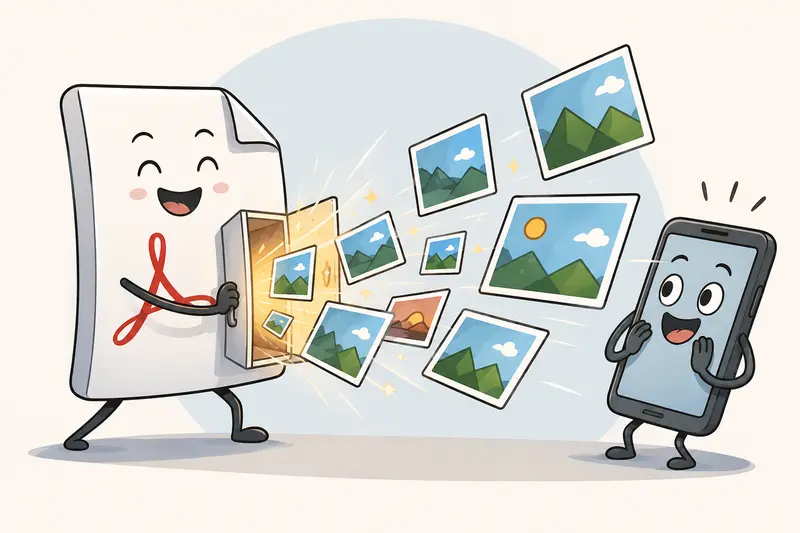
What Actually Matters When Converting PDFs on Mobile
If your goal is simply save PDF as image on mobile, almost any app can technically do it.
The problem is quality.
Many lightweight converters compress pages aggressively, flatten colors, or export blurry JPGs that look acceptable on a phone screen but unusable in campaigns or client deliverables.
A better workflow should handle:
- high quality PDF to image exports
- multiple pages at once
- readable graphics and typography
- large marketing documents
- quick downloads on mobile browsers
- minimal file retention for privacy
For marketers specifically, batch handling matters more than people expect. Nobody enjoys extracting 40 presentation slides individually five minutes before a launch review.
A Practical Mobile Workflow That Works
Using a browser-based tool is usually the fastest option because theres nothing to install and no device-specific compatibility issues.
Heres the process that tends to work reliably on both Android and iPhone:
1. Upload the PDF from your device or cloud storage
Tools like Filemazing PDF to Image https://filemazing.com/pdf-to-image support local uploads along with Google Drive and Dropbox imports, which is useful when campaign assets live in shared folders instead of phone storage.
2. Choose the image format
This is where quality decisions matter.
- PNG works best for slides, graphics, charts, and branded visuals
- JPG produces smaller files and is often better for quick sharing
- PNG preserves sharper text and edges
- JPG loads faster in messaging apps and email
Theres always a tradeoff between quality and file size. High-resolution PNG exports look excellent but can become surprisingly heavy during batch PDF to image conversion.
3. Export all pages or selected pages
For marketing teams, selective exporting is underrated. Pulling only the pages containing product visuals or ad creatives saves time later.
If your source document combines several PDFs first, it can help to merge PDF files beforehand https://filemazing.com/merge-pdf so the export process stays organized.
4. Download and optimize the results
After conversion, exported assets often benefit from another pass through an image compression tool https://filemazing.com/compress-image before uploading to Slack, email campaigns, or CMS platforms.
Large images tend to appear exactly when your mobile connection becomes least cooperative.
What We Tested
To see how mobile extraction performs in a realistic scenario, we tested a 42-page campaign presentation containing:
- embedded product renders
- charts
- social media mockups
- layered branding graphics
- mixed vector and raster images
The file size was roughly 96 MB.
Using a mobile browser workflow through Filemazing, the PDF was converted into PNG images in batch mode. The exported pages retained sharp typography and preserved brand gradients noticeably better than screenshot-based extraction.
A few observations stood out:
- PNG exports kept presentation text cleaner
- JPG exports downloaded faster but softened small labels slightly
- Batch export was dramatically faster than manual screenshots
- Mobile Safari handled downloads smoothly once files were processed in queue
The most useful takeaway: for campaign review workflows, PNG is usually worth the larger size if visuals will be reused professionally later.
Where This Helps Marketing Teams Most
The use cases go beyond simple document viewing.
Campaign asset extraction
Pull social graphics or promotional visuals directly from exported client PDFs without reopening design software.
Presentation repurposing
Turn pitch decks into mobile-ready image sequences for LinkedIn carousels or internal updates.
Creative approvals
Teams often export individual slides as images to annotate feedback faster across messaging apps.
Ad archive organization
Batch PDF to image conversion works well for storing visual references from past campaigns.
Event materials
Conference brochures and sponsor kits can be converted into reusable image assets for social promotion.
Content localization reviews
Extracted pages are easier to compare side by side during multilingual campaign checks.
One Common Mistake That Hurts Quality
A surprisingly common issue is exporting every page as low-quality JPG by default.
That usually works for casual viewing, but marketing materials contain:
- gradients
- typography
- transparent overlays
- UI mockups
- thin iconography
Heavy JPG compression introduces artifacts around those elements.
If visual fidelity matters, especially for paid campaigns or brand reviews, PNG exports are generally safer even though they create larger files.
Another useful trick: compress images after export instead of lowering export quality initially. That gives you more control over readability and sharpness.
Why Browser-Based Tools Make Sense on Mobile
Desktop software still has a place for advanced publishing workflows, but mobile extraction benefits from lightweight browser processing.
A few reasons this approach works well:
- no installation requirements
- easier collaboration across devices
- cloud import support
- queued processing for large jobs
- temporary handling instead of long-term file storage
Filemazing also uses transparent token-based pricing rather than locking features behind subscriptions. For occasional campaign prep or irregular bulk workloads, that model can be easier to predict.
The platform calculates token usage based on factors like file size, page count, and workload complexity, which helps avoid unexpected usage costs during larger exports.
Privacy-wise, uploaded files are treated as temporary processing assets and cleaned automatically after processing instead of sitting indefinitely in storage.
That matters when campaign PDFs include embargoed launches, client branding, or unreleased creative materials.
A Few Workflow Tweaks That Save Time
These small adjustments make mobile extraction smoother in practice:
- Export only the pages you actually need
- Use PNG for presentations and JPG for quick previews
- Compress large exports before sending through email
- Rename files immediately after download if multiple campaigns are involved
- Combine fragmented PDFs before exporting image assets
Marketers juggling several clients simultaneously know how quickly final_v2_revised_REAL.pdf situations escalate.
Questions People Usually Ask
Can I extract images from PDF directly on iPhone or Android?
Yes. Browser-based tools work on both platforms without requiring desktop software or app installation.
What format is best for marketing visuals?
PNG is usually the better choice for campaign assets because it preserves sharp text and cleaner gradients.
Does batch PDF to image conversion reduce quality?
Not inherently. Quality loss usually comes from aggressive compression settings or low-resolution export options.
Is it safe to upload client PDFs online?
That depends on the platform. Services that use temporary processing and automatic cleanup handling reduce long-term storage risks.
How can I make exported images smaller for email sharing?
After conversion, using an image compression workflow https://filemazing.com/compress-image helps reduce file size while maintaining readability.
Can mobile browsers handle large PDFs?
Generally yes, although very large files may process more slowly depending on device memory and connection quality.
Final Thoughts
The best way to extract images from PDF on mobile is usually the method that preserves quality without creating unnecessary friction.
For marketers, that means:
- maintaining visual fidelity
- handling multiple pages efficiently
- avoiding desktop-only workflows
- keeping assets easy to share across teams
Browser-based platforms like Filemazing https://filemazing.com/pdf-to-image are particularly useful because they combine high quality PDF to image conversion, batch handling, cloud imports, and lightweight mobile accessibility in one workflow.
And importantly, they avoid turning a simple asset extraction task into a full production project.